There are no Conspiracy theories, there are only truth and lies.
WBAN-Weaponization of the Communication System
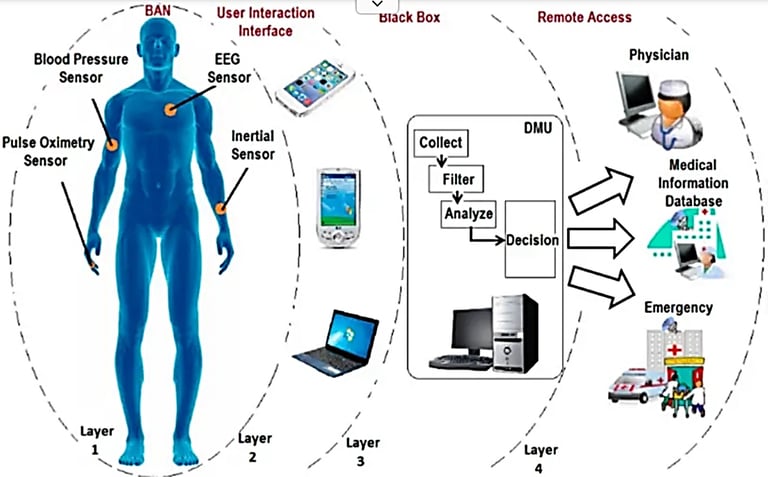
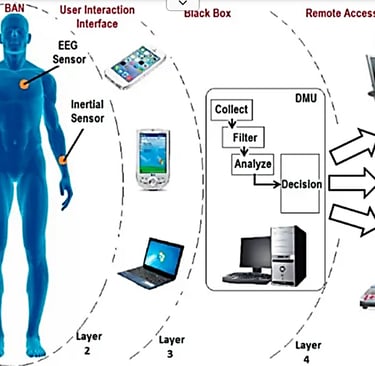
The wireless body area network (WBAN) we are concerned with here is a wireless network of implanted computing devices. These networks include multiple small body sensor units (BSUs) and a single central unit (BCU). Smart phones act as data hubs or gateways and provide a user interface for viewing and managing BAN applications. A WBAN system can use WPAN wireless technologies as gateways to reach longer ranges to be remotely operated. Through gateway devices, it is possible to connect the wearable devices on the human body to the internet. This way, medical professionals can access patient data online using the internet independent of the patient location. So can stalkers, cops, FBI, CIA, Fusion Centers, in other words anybody.
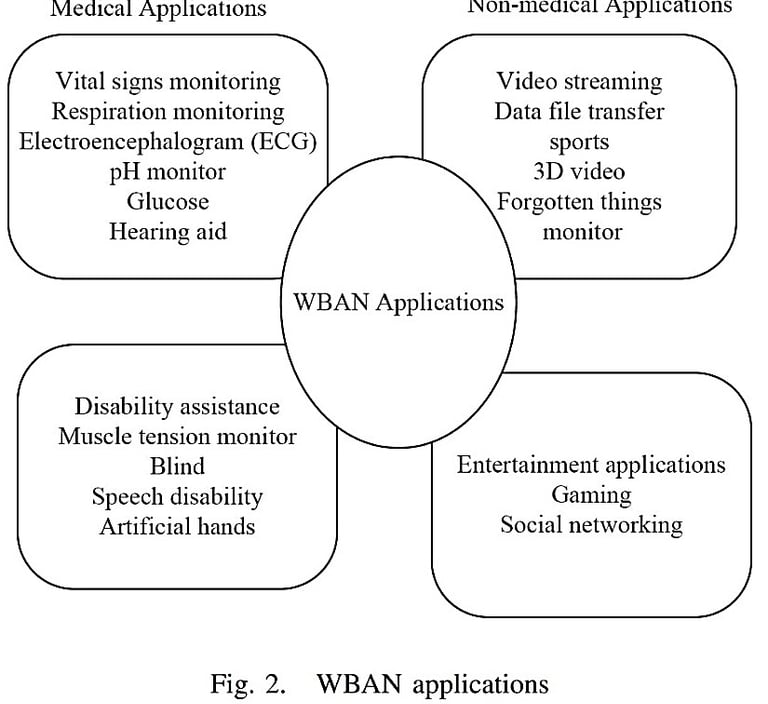
The body area network field is an interdisciplinary area which could allow inexpensive and continuous health monitoring with real-time updates of medical records through the Internet. A number of intelligent physiological sensors can be implanted, which can be used for computer-assisted rehabilitation or early detection of medical conditions. This area relies on the feasibility of implanting very small biosensors inside the human body that don't impair normal activities. The implanted sensors in the human body will collect various physiological changes in order to monitor the patient's health status no matter their location. The information will be transmitted wirelessly to an external processing unit. This device will instantly transmit all information in real time to the doctors throughout the world. If an emergency is detected, the physicians will immediately inform the patient through the computer system by sending appropriate messages or alarms. Currently, the level of information provided and energy resources capable of powering the sensors are limiting. While the technology is still in its primitive stage it is being widely researched and once adopted, is expected to be a breakthrough invention in healthcare, telemedicine or MHealth, torture devices for punishing political enemies, torturing people they put on a death list for opposing rape by law enforcement or being an unwitting witness to crime by cops, sheriffs, or anyone in authority.
WBANs are supposedly to be used for healthcare, yet, the only places it is being used in surveillance, torture and death of people illegaly and wrongly put on watchlists and deathlists. It is used to mimic chronic diseases like diabetes, asthma and heat problems.
Implants can be put in the brain to cause epilepsy or in the face to mimic Bells Palsy. It can be put in organs to cause diseases of the kidney and bladder. While it could be used for healthcare, no doctors know it exists. It is used primarily for military weaponry upon innocent people like Targeted Individuals. Like every medical medicine or apparatus, the WBAN has had to go through clinical trials. Guess who gets covertly implanted during medical procedures, while in a motel or at home in their own beds. Trained military people put you to sleep and implant devices in your eyes, in your ears so everything you see and hear can be seen and heard by your "handler." There is no moment you have that is private. They know when you pee, when you poop and they watch you have sex. This is monstrous, yet they deny it is happening. When someone shows they have been implanted, they are put in a mental hospital and drugged and the matter is hushed up, just like every other crime our government is perpetrating on its citizens.
The latest international standard for BANs is the IEEE 802.15.6 standard.[12]
A typical BAN or BSN requires vital sign monitoring sensors, motion detectors (through accelerometers) to help identify the location of the monitored individual and some form of communication, to transmit vital sign and motion readings to medical practitioners or care givers. A typical body area network kit will consist of sensors, a Processor, a transceiver and a battery. Physiological sensors, such as ECG and SpO2 sensors, have been developed. Other sensors such as a blood pressure sensor, EEG sensor and a PDA for BSN interface are under development.[13]
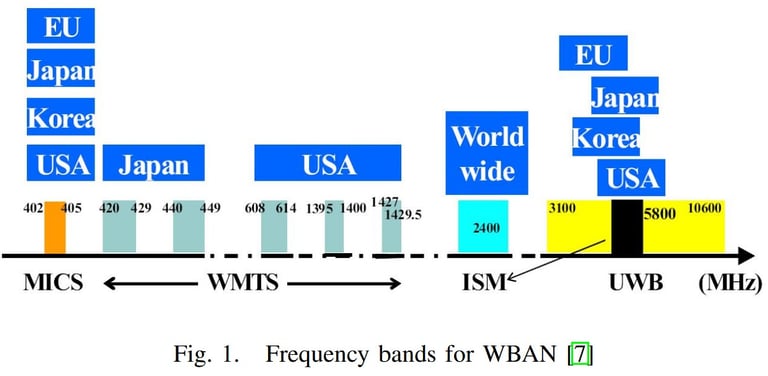
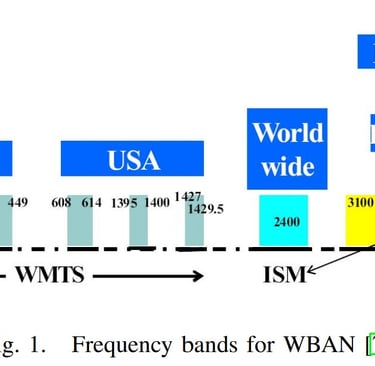
The FCC has approved the allocation of 40 MHz of spectrum bandwidth for medical BAN low-power, wide-area radio links at the 2360–2400 MHz band. This will allow off-loading MBAN communication from the already saturated standard Wi-Fi spectrum to a standard band.[14]
The 2360–2390 MHz frequency range is available on a secondary basis. The FCC will expand the existing Medical Device Radiocommunication (MedRadio) Service in Part 95 of its rules. MBAN devices using the band will operate under a 'license-by-rule' basis which eliminates the need to apply for individual transmitter licenses. Usage of the 2360–2390 MHz frequencies are restricted to indoor operation at health-care facilities and are subject to registration and site approval by coordinators to protect aeronautical telemetry primary usage. Operation in the 2390–2400 MHz band is not subject to registration or coordination and may be used in all areas including residential.
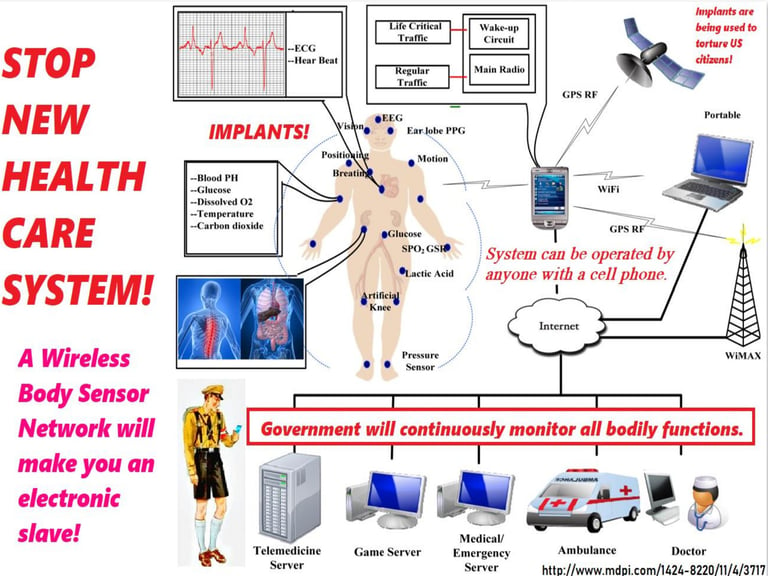
OR, alternatively, the government could use the wireless body area network covertly as the ultimate in surveillance. This is why you haven't heard of this from your doctor. They have already covertly put implants in the eyes, ears, throat, jaw and brain of TI's . They put implants in the feet, in the toes, bottom, top and sides of the feet, by the ankle bone. They explode the feet with pain, they keep energy moving in the feet at all times. Every day and night, at any time they like, they create such pain and pressure in the body that a person would run out of the house screaming for it to stop. You will never know exactly when it was implanted.
The number of implants can be from 1 to an indefinite amount. They are put in joints and heated to destroy connective tissues. They are put in the shins, ankles, hips, pubic area, back, neck. shoulders, arms, wrists and hands to cause pain. There is no part of the human body that is the victim's to control any longer. The government pays people sitting at a computer to remotely control all these implants all day and all night. They know where every body part is at all times. They arrest your sleep, not letting you go to sleep and then waking you up out of a deep sleep with an implant in your throat growling at intervals to wake you up. Sometimes TI's hear voices in their heads, because they are connected by a two way radio in the cochlea to "handlers" who punish, torture, shock, vibrate, heat and harass their victim. Its like an electronic prison, tortured, touched, burned, shocked, numbed, vibrated forever and ever; no relief. When a TI asks for help from a doctor, they have already been briefed to ignore these symptoms and signs of being harassed, tortured and killed. TI deaths are documented as suicides.
Would you agree to 24 hr surveillance and torture? Absolutely not, so it has to be done covertly, while people are under drugs, anesthesia or frequency weapons.
That means the government is committing crimes against individuals all over America. They use your tax dollars to pay to put people to sleep so they can inject brain implants through their noses. They use military medical personnel and first responders, the local cops, nurses, doctors, firemen, medics, labs -- COVERTLY, in hospitals, clinics, in ambulances and in your own homes (using unknown technology).




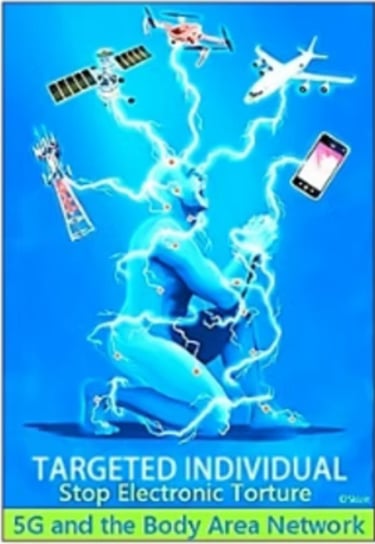


Covert Implantion of People with a Body Area Network
Sensor nodes, RFID, GPS and USID chips can send electronic information over the internet via satellite to ANYONE, including agencies who want to know every time you move a muscle or take a breath, pee - or have sex. This is supposedly medical technology but it is already being used by the FBI, Fusion Centers, Infragard and law enforcement and emergency medics to track, surveil, TORTURE and ID people, even it they are dead.
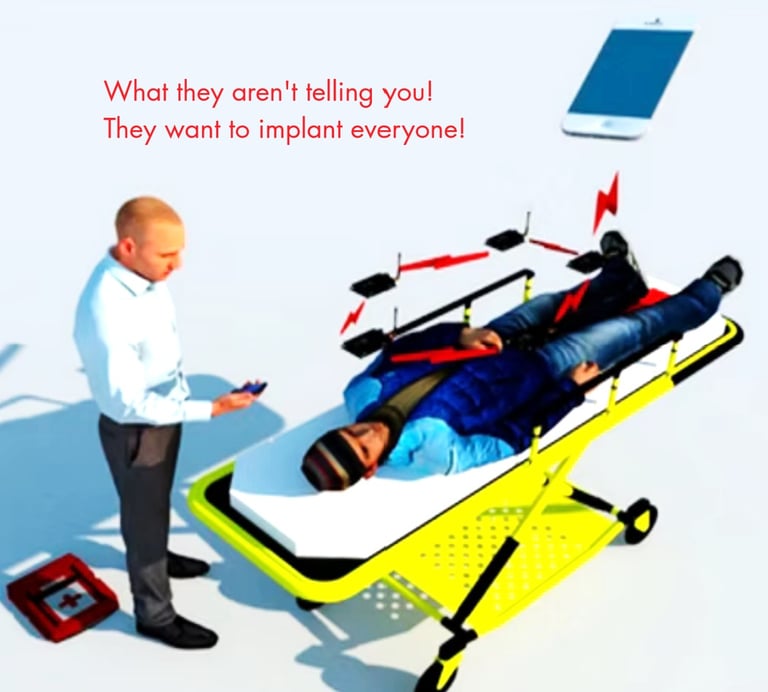
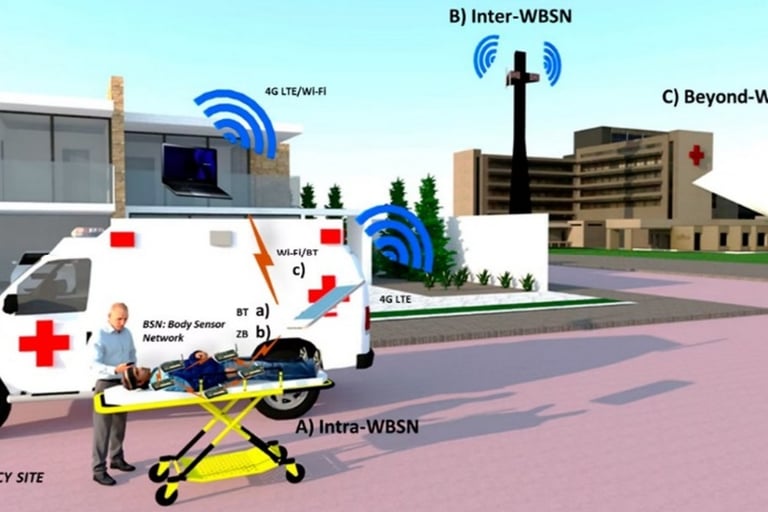
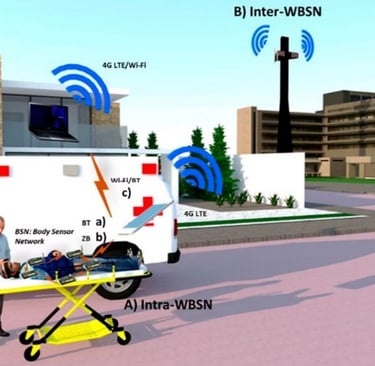
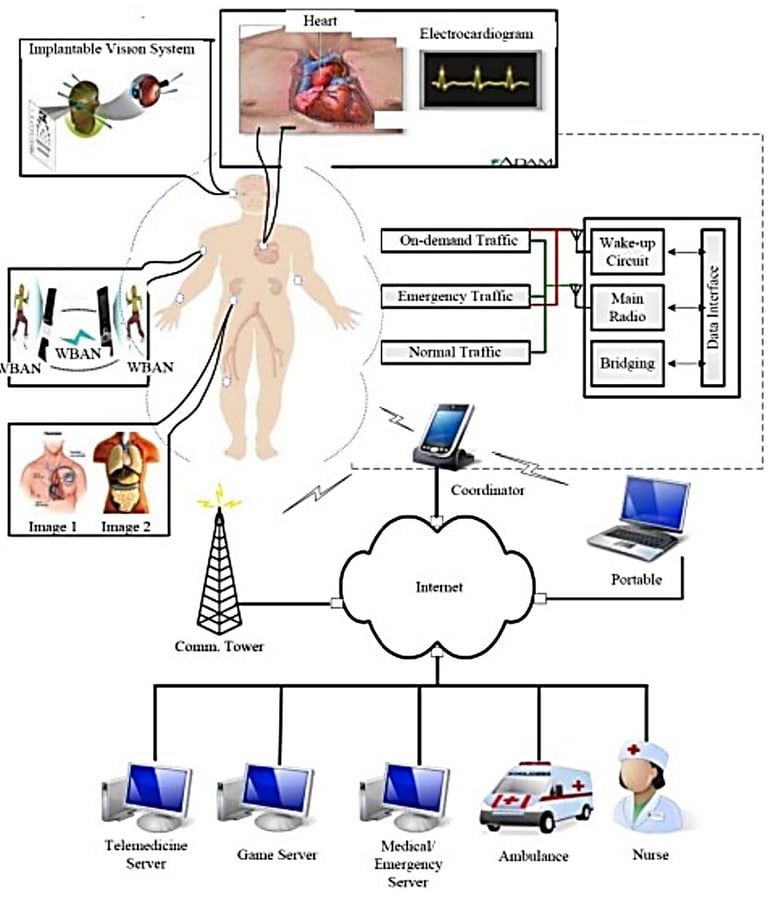
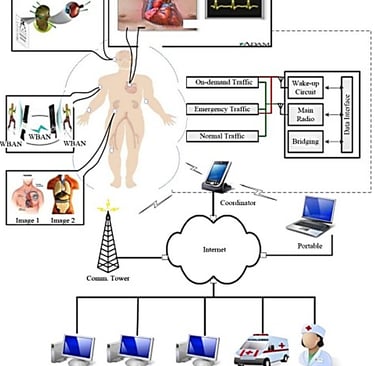
Challenges and Applications of Wireless Body Area Networks
https://www.ijitee.org/wp-content/uploads/papers/v8i9S/I10860789S19.pdf
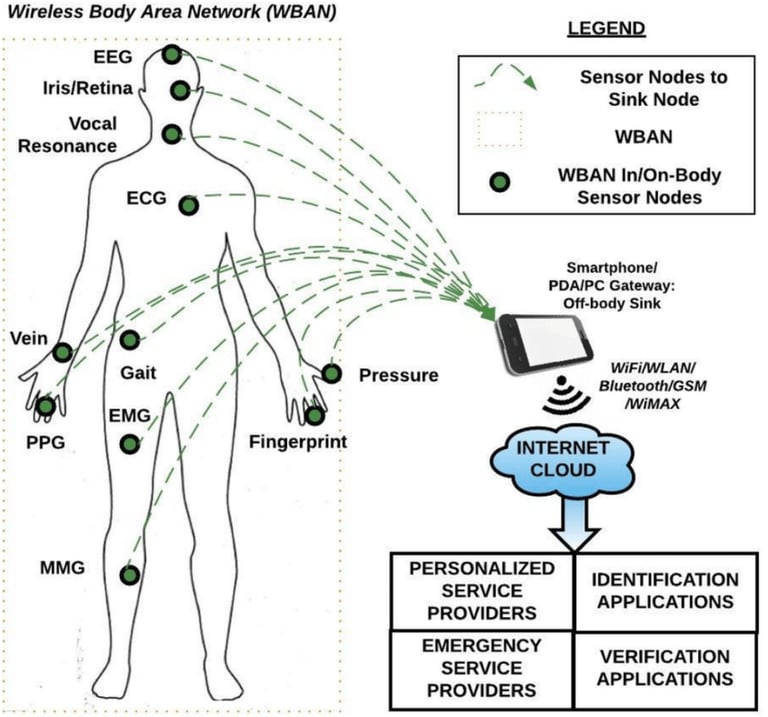
Who is doing the covert implantation?
How are People Struck in their Own Homes?
Occupant location systems for use with Wireless Body Area Networks (WBAN) utilize various sensor technologies and positioning algorithms to track individuals' locations in real-time, particularly for "medical surveillance, emergency response, and indoor safety." [Misused and without consent it is a crime.]
Core Technologies:
Ultra-Wideband (UWB): UWB is a leading technology for precise indoor positioning within WBAN frameworks. It calculates an occupant's location using:
Time of Arrival (TOA) and Time Difference of Arrival (TDOA): Measures signal travel time between body-worn tags and fixed base stations.
Trilateration: Uses distance measurements between tags and multiple base stations to pinpoint coordinates.
Global Positioning System (GPS): Integrated into WBAN hub/coordinator nodes for outdoor tracking. In pandemic surveillance models, GPS data allows for monitoring social distancing and movement patterns.
Inertial & Environmental Sensors:
Motion Sensors (Accelerometers/Gyroscopes): Used for activity discrimination, such as detecting falls or estimating activity levels.
Occupancy Sensors: Utilize infrared, ultrasonic, or microwave technologies to detect presence and movement within a specific space.
Localization Algorithms & Routing:
Geographic Routing: A routing method where the WBAN hub sends data based on the physical location of nodes rather than network addresses. This is critical for inter-WBAN communication where nodes move frequently.
Received Signal Strength Indicator (RSSI): Though often affected by multipath interference, RSSI-based ranging is used for lower-accuracy distance estimation between body nodes and infrastructure.
Intelligent Computing: Systems often use AI-driven methods like BP Neural Networks to process sensor data for high-accuracy localization in complex environments, such as fire-emergency scenarios.
Primary Applications:
Remote Patient Monitoring: Tracks the exact location of patients in hospitals or at home, allowing medical professionals to issue guidance based on the patient's environment.
Emergency Alarms: Combines real-time positioning with "motionless" alarms to alert responders if an occupant stops moving after a fall or during an emergency.
Pandemic Surveillance: Monitors the location and vital signs of infected individuals to ensure compliance with isolation or social distancing.
Assisted Living: Enables elderly or disabled people to live independently at home while being monitored for safety and health patterns.
In 2026, MIMO (Multiple-Input Multiple-Output) technology is increasingly integrated into smart homes to support Wireless Body Area Networks (WBANs) for real-time monitoring of occupant health.
A home-based MIMO installation for WBAN involves setting up a central hub or base station that communicates with multiple low-power wearable or implantable sensors.
Core Components of Home MIMO-WBAN Installation:
MIMO Gateway/Base Station: Acting as the central controller, this device is typically installed in a central area of the home. It is equipped with multiple transmit/receive antennas (often 4 to 8 elements for residential use) to handle high-density data from various occupants.
Implanted WBAN Sensors: Occupants have covertly implanted sensors for physiological data (e.g., ECG, glucose, motion, position in space). These devices often use miniaturized MIMO antennas (such as button-sized or textile-integrated versions) to maintain a stable connection despite body movement.
Frequency Management: Most systems in 2026 operate in the sub-6 GHz (2.4 GHz, 5.8 GHz) or millimeter-wave (28/38 GHz) bands, which provide the high bandwidth and low latency required for critical medical alerts.
Installation Steps & Considerations:
Placement of Hubs: To ensure "full-home" coverage, MIMO gateways should be placed in high-traffic areas like bedrooms and living rooms. Because WBAN signals have limited range (a few meters), multiple distributed MIMO nodes may be required for larger homes.
Antenna Orientation: For fixed antennas, professional installers use polarization diversity (tilting antennas at 45° and 135° angles) to maximize signal reception from wearables that constantly change orientation as the occupant moves.
Interference Mitigation: In dense home environments, MIMO systems must be configured with high-isolation designs (often using meandered structures or Frequency Selective Surfaces) to prevent signals from different occupants or other home IoT devices from interfering.
Safety and SAR Compliance: Installations must ensure that the Specific Absorption Rate (SAR) remains below regulated limits (1.6 W/kg in the US) to prevent adverse health effects from long-term exposure to radiofrequency radiation.
Data Integration: The home MIMO hub connects to a local router via Ethernet or Wi-Fi 7 to upload data to healthcare providers or emergency services.
Benefits for Residents:
Reliability: MIMO's spatial diversity overcomes "multipath fading" caused by walls and furniture, ensuring medical data is not lost as residents move between rooms. [The misconception that "they can't see through multiple walls is incorrect because the image seen with these technologies is 3 dimensional.]
Low Power Consumption: By using massive MIMO at the base station, implanted sensors can operate at very low power.
Multiple User Tracking: Sophisticated MIMO systems can simultaneously track and distinguish between the WBANs of multiple family members without signal cross-talk.
What does a MIMO system look like?
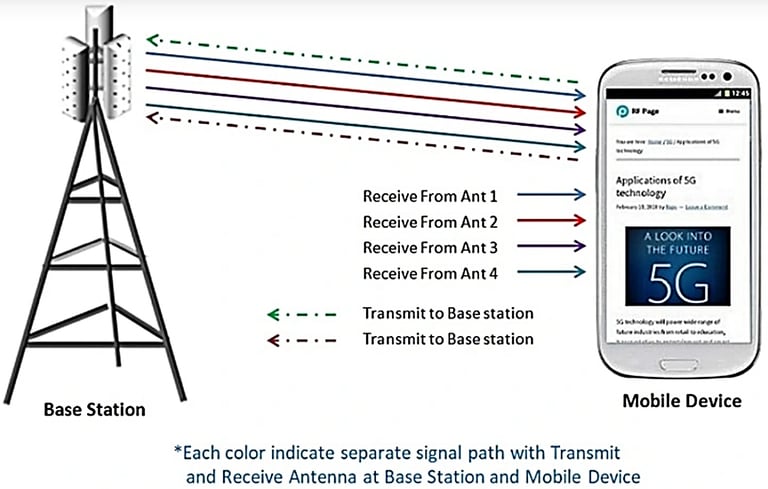
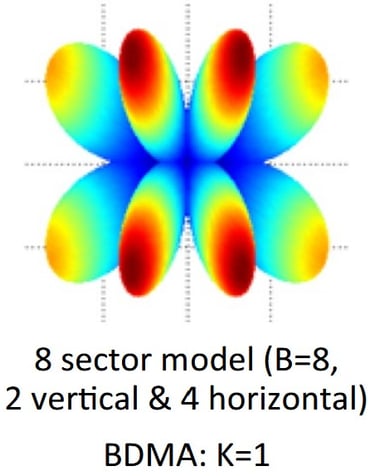
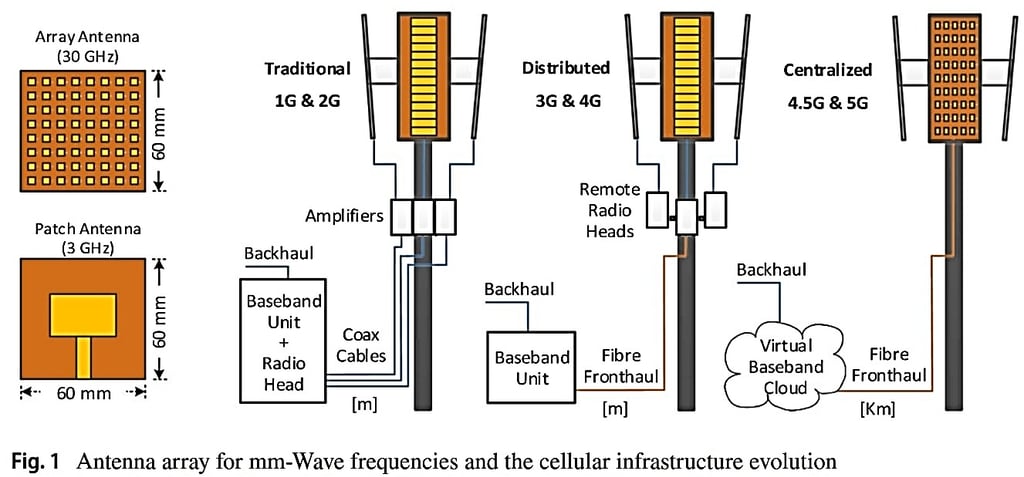
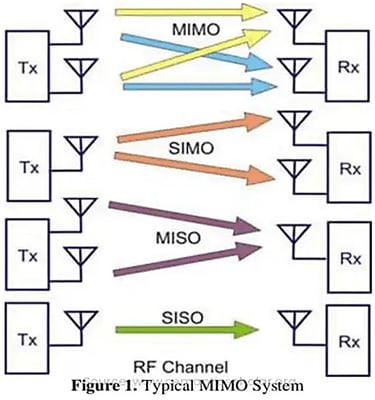
A MIMO (Multiple-Input, Multiple-Output) system looks like a wireless device—such as a 5G base station, router, or smartphone—equipped with multiple distinct antenna elements (2×2, 4×4 or massive arrays) designed to transmit and receive multiple data streams simultaneously on the same frequency. Physically, these appear as crowded antenna panels, often using slant-polarized elements (±45∘) to boost data rates and signal reliability.
Visual and Physical Characteristics:
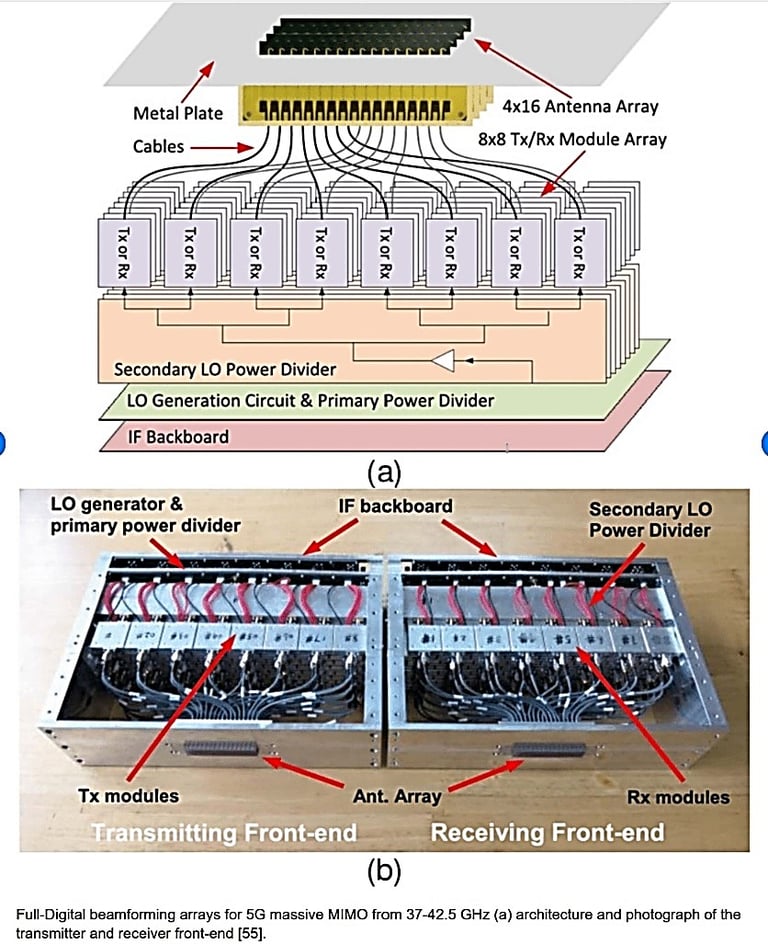
Antenna Array: Rather than one antenna, a MIMO system features arrays of 2,4,8 or dozens/hundreds (Massive MIMO) of antenna elements. [There are an endless number of locations in space where one beam crosses another to locate you.]
Compact Design: These elements are tightly packed, often in vertical or cross-polarized arrangements to create separate spatial paths.
Base Station Appearance: 5G/LTE tower antennas appear as rectangular panels, while Wi-Fi routers feature multiple external antennas (dipoles) or hidden arrays inside.
Smartphone/Device: Devices use small, diverse, and often hidden internal antennas, sometimes placed at opposite ends of the phone to maximize spatial diversity.
How it Works (Beamforming):
Data Streams: MIMO systems do not just use more antennas to boost power; they create separate, independent data paths (spatial multiplexing) to multiply data rates.
Beam Steering: Advanced, or "Massive MIMO," systems in 5G use these antenna arrays to create shapeable, steerable beams, focusing signals directly at specific user devices rather than broadcasting in all directions.
MIMO Configurations:
2×2 MIMO: Two antennas at each end (common in basic Wi-Fi 5).
4×4 MIMO: Four antennas (common in 4G LTE/Wi-Fi 6).
Massive MIMO: >8×8, commonly used in 5G, with hundreds of elements on one panel to serve many users simultaneously.
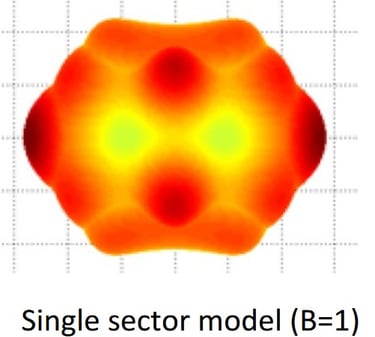
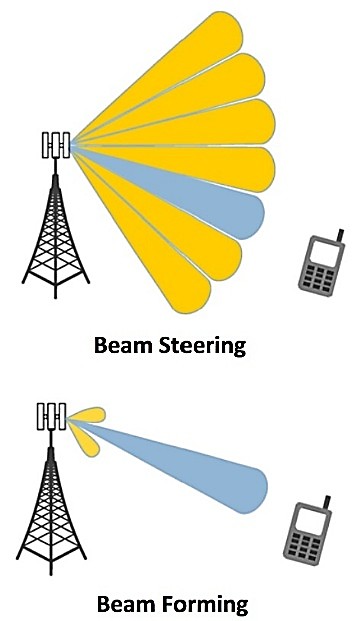
Massive MIMO Systems for 5G Communications
https://link.springer.com/article/10.1007/s11277-021-08550-9
Antenna Technologies for 6G – Advances and Challenges
Driven by emerging applications such as extended reality (XR), holographic communications, and dynamic digital twins (DT) as well as the development of artificial intelligence and high performance computing, wireless communications technologies are experiencing unprecedented rapid growth.
Whilst the fifth generation (5G) networks, especially 5G mm-wave systems are still being rolled out, the international standardization body for mobile communications, the Third Generation Partnership Project (3GPP), has already released 3GPP Release 18, known as 5G-Advanced [1], [2], [3]. 5G-Advanced serves as a critical foundation towards future sixth generation (6G) mobile communications networks under the framework of IMT-2030.
Technological evolution from 5G to 6G systems is poised to deliver several key capabilities and features, which is illustrated in Fig. 1, where the key performance indicators of IMT-2030 (6G) and IMT-2020 (5G) are compared, and several of them have significant implications for antenna technologies [4], [5].
First, the expected growth of augmented reality (AR) and virtual reality (VR) as well as dynamic digital twins renders it necessary for future wireless networks to move up to higher frequency bands as well as to embrace massive multi-input-multi-output (MIMO) to achieve enhanced mobile broadband (eMBB) with unprecedented data rates of up to 1 Tbp/s.
Although higher bands are not favorable for large area coverage, they are necessary to deliver the data rates required for certain 6G applications. The massive MIMO concept was first introduced to 5G wireless networks in 3GPP Release 15.
By implementing beamforming and spatial multiplexing using antenna arrays with hundreds or even thousands of elements, the system can achieve significant improvement in terms of coverage expansion, increased throughput, and higher signal quality. Moving into 6G, the mobile communications networks are expected to achieve massive MIMO with an even greater number of antenna elements. However, as shown in the current roll-out of 5G, supporting massive MIMO whilst maintaining reasonable base station costs is a significant challenge.
Second, integrated sensing and communications (ISAC), which is a variant of joint communications and sensing, is widely regarded as one of the hallmark features of 6G [6], [7]. By exploiting the signatures and changes of radio signals going through the environment, ISAC makes the traditional communications-only network dual-functional, serving as a distributed sensing network whilst supporting connectivity.
Y. Jay Guo, Fellow, IEEE, Charles A. Guo, Student Member, IEEE, Ming Li, Member, IEEE, and Matti Latva-aho, Fellow, IEEE (Invited Paper)Antenna Technologies for 6G
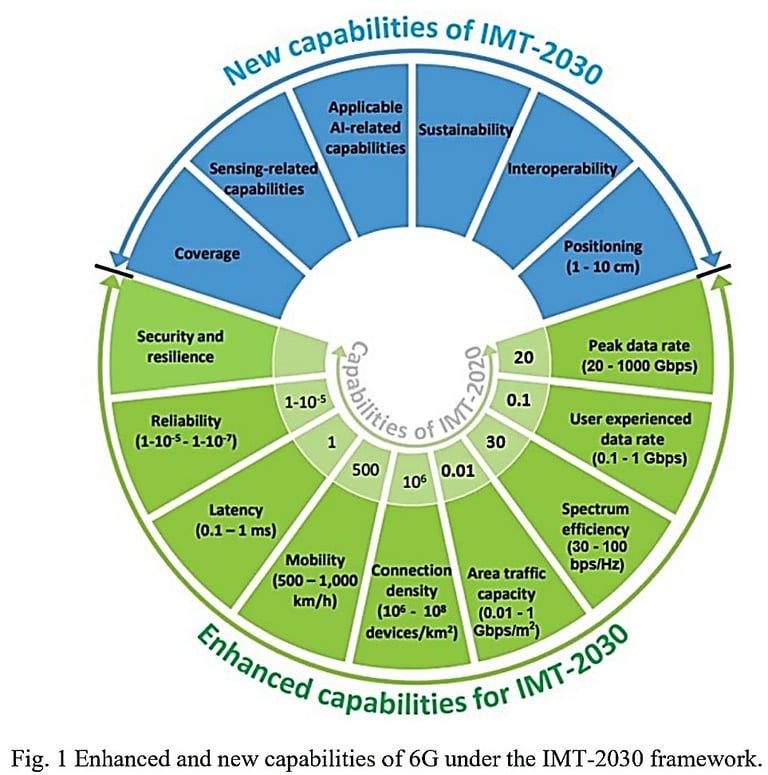
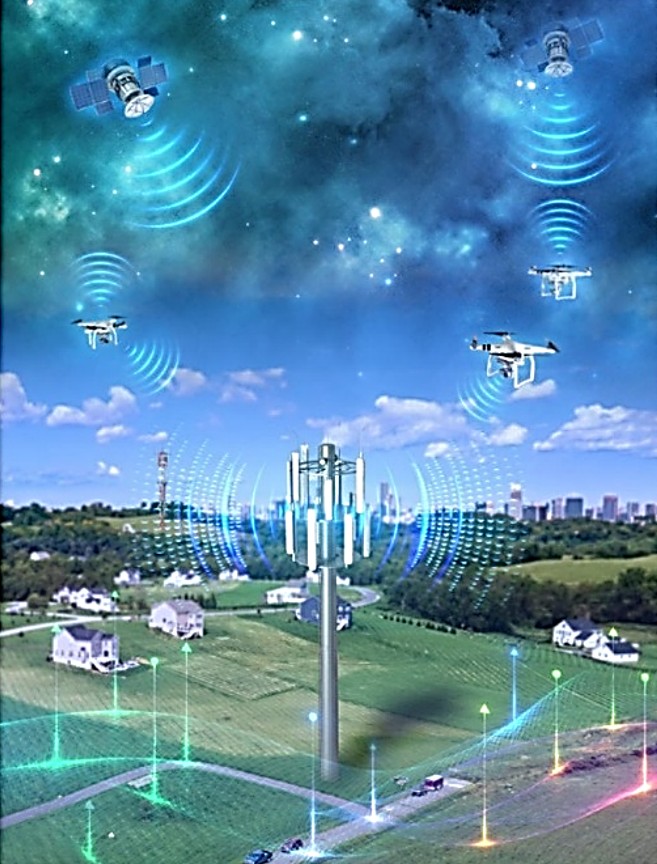
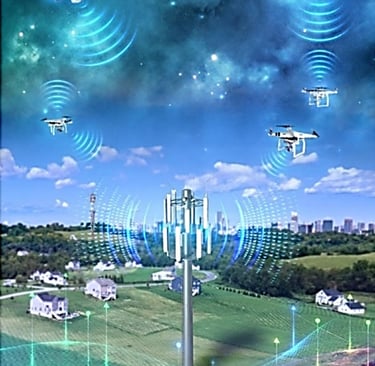
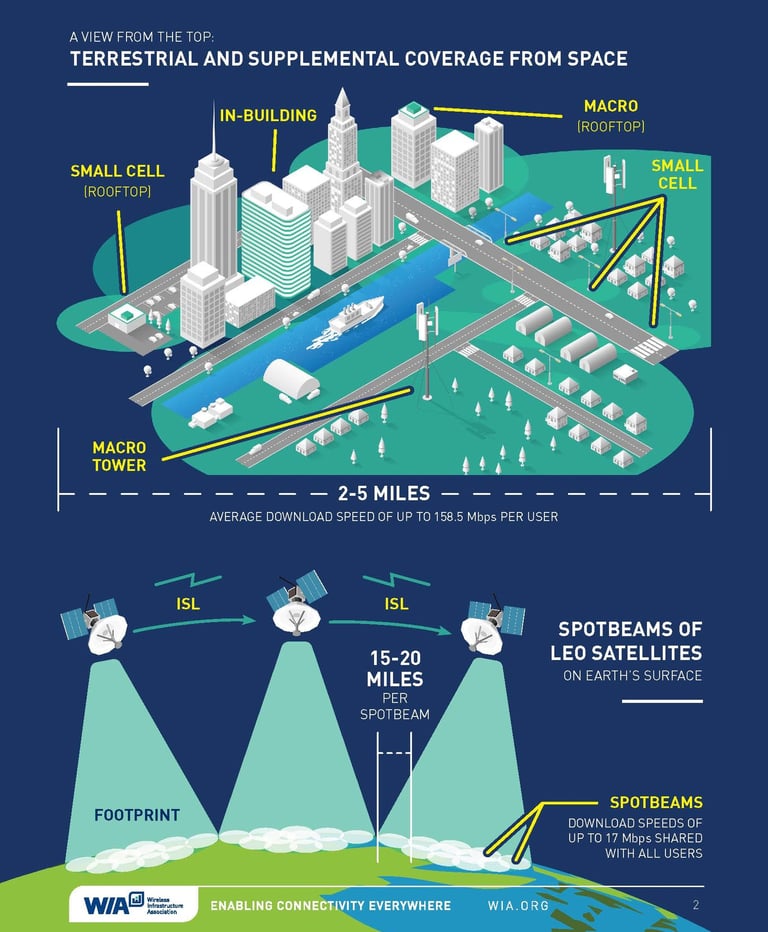
Fig. 2. Base stations supporting UAVs, LEO satellites and users on the ground.
Terahertz Beam Steering: from Fundamentals to Applications
https://link.springer.com/article/10.1007/s10762-022-00902-1
What is a MAC address?
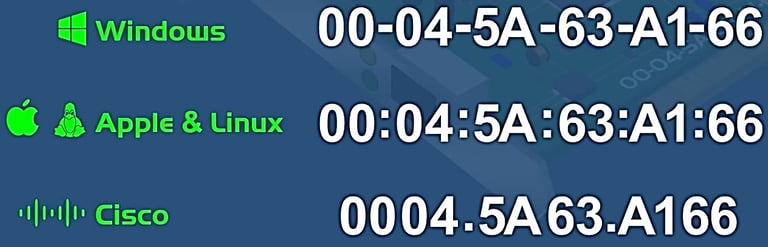
A MAC (Media Access Control) address is a unique, hardware-based identifier (like a serial number) assigned to a device's network adapter (NIC) for communication on a local network, functioning as its physical "address" within that segment, ensuring data goes to the right device using a 12-digit hex code (e.g., 00:1A:2B:3C:4D:5E). It operates at the data link layer of the OSI model, allowing devices to find each other and communicate locally, unlike IP addresses which are for broader network routing.
"3. Existing/Proposed MAC Protocols for WBANs
3.1. IEEE 802.15.4
IEEE 802.15.4 is a low-power protocol designed for low data rate applications. It offers three operational frequency bands: 868 MHz, 915 MHz, and 2.4 GHz bands. There are 27 sub-channels allocated in IEEE 802.15.4, i.e., 16 sub-channels in 2.4 GHz band, 10 sub-channels in 915 MHz band and one sub-channel in the 868 MHz band, as given in Table 2. The table also shows the data rate and the modulation technique for each frequency band. IEEE 802.15.4 has two operational modes: a beacon-enabled mode and a non-beacon enabled mode. In a beacon-enabled mode, the network is controlled by a coordinator, which regularly transmits beacons for device synchronization and association control."
https://pmc.ncbi.nlm.nih.gov/articles/PMC3270832/pdf/sensors-10-00128.pdf


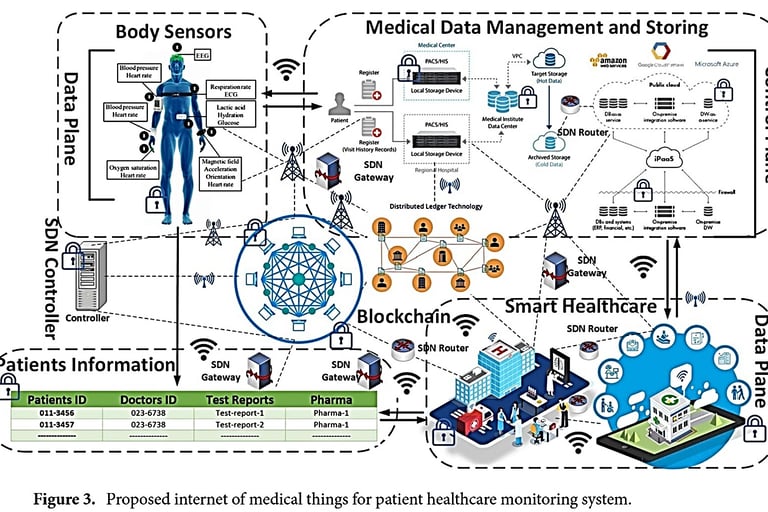
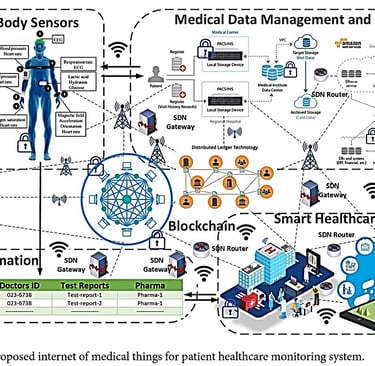
Internet of medical things and blockchain-enabled patient-centric agent through SDN for remote patient monitoring in 5G network
Abstract
During the COVID-19 pandemic, there has been a significant increase in the use of internet resources for accessing medical care, resulting in the development and advancement of the Internet of Medical Things (IoMT). This technology utilizes a range of medical equipment and testing software to broadcast patient results over the internet, hence enabling the provision of remote healthcare services. Nevertheless, the preservation of privacy and security in the realm of online communication continues to provide a significant and pressing obstacle. Blockchain technology has shown the potential to mitigate security apprehensions across several sectors, such as the healthcare industry.
Recent advancements in research have included intelligent agents in patient monitoring systems by integrating blockchain technology. However, the conventional network configuration of the agent and blockchain introduces a level of complexity. In order to address this disparity, we present a proposed architectural framework that combines software defined networking (SDN) with Blockchain technology. This framework is specially tailored for the purpose of facilitating remote patient monitoring systems within the context of a 5G environment. The architectural design contains a patient-centric agent (PCA) inside the SDN control plane for the purpose of managing user data on behalf of the patients. The appropriate handling of patient data is ensured by the PCA via the provision of essential instructions to the forwarding devices. The suggested model is assessed using hyperledger fabric on docker-engine, and its performance is compared to that of current models in fifth generation (5G) networks. The performance of our suggested model surpasses current methodologies, as shown by our extensive study including factors such as throughput, dependability, communication overhead, and packet error rate.
https://www.researchgate.net/publication/378712936_Internet_of_medical_things_and_blockchain-enabled_patient-centric_agent_through_SDN_for_remote_patient_monitoring_in_5G_network
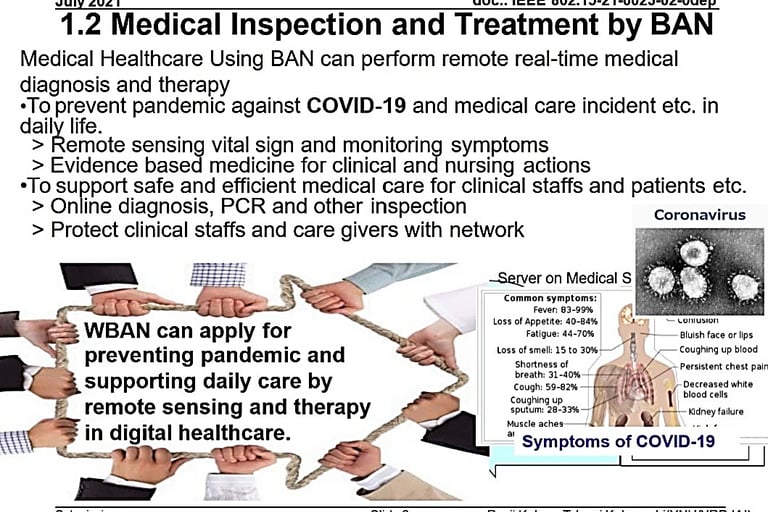
Project: IEEE P802.15 Working Group for Wireless Personal Area Networks (WPANs)
Abstract: [This document summarizes IG-DEP and SG15.6a activity for amendment of IEEE802.15.6 - 2012 Medical Body Area Network(BAN) corresponding to increasing demand for enhanced dependability in wireless sensing and controlling human and car bodies for medical healthcare and automotive uses. After quick overview of IEEE802.15.6 -2012, necessity of the amendment is described in such critical use cases that various types of interference such as intra BAN interference in multiple overlaid BANs, interference among BAN and other PANs in some overlaid frequency band etc. Extension of BAN from human body for medical healthcare to car body for automotive uses and their combination are discussed as a common standard. https://mentor.ieee.org/802.15/dcn/21/15-21-0023-02-0dep-ig-dep-activity-for-amendment-of-15-6-ban-with-enhanced-dependability.pdf
Fusion Centers
What is a fusion center?
A fusion center is a collaborative hub where state, local, tribal, territorial, and federal agencies, along with private sector partners, combine resources, expertise, and information to analyze threats and share intelligence, preventing crime and terrorism by filling information gaps and improving response to all-hazards situations. These centers serve as central points for collecting and analyzing data from various sources to provide actionable insights for public safety and homeland security. [These government entities will have access to every iota of information about your life, your body, how you think, your heart rate, your private relationships, everything....]
Key Functions & Goals
Information Sharing: Collects and analyzes threat-related information from diverse sources (e.g., law enforcement, public, private sector).
Collaboration: Fosters partnerships between government levels and private entities to create a unified security effort.
Analysis & Intelligence: Fuses data to produce actionable intelligence, identifying potential criminal or terrorist activities.
Prevention & Response: Aims to detect, deter, and disrupt threats, and improve preparedness for all-hazards events (like natural disasters or cyberattacks).
Training: Offers threat-based training to partners.
Structure & Operation
Ownership: Owned and operated by state and local entities, with federal support.
National Network: A network of centers across the U.S. facilitates information flow between federal agencies and local partners.
Multidisciplinary Teams: Often house personnel from different agencies working together in one location.
Why They Exist
Fusion centers were established after 9/11 to address intelligence failures by creating a mechanism for seamless, two-way communication and analysis, ensuring critical information reaches frontline personnel and leadership effectively. Since 9-11 was a hoax to start the Iraq wars and get access to Iraq's oil fields, start a fake War on Terror to get control of the world on behalf of the WEF and the UN, the whole thing was a false flag hoax.
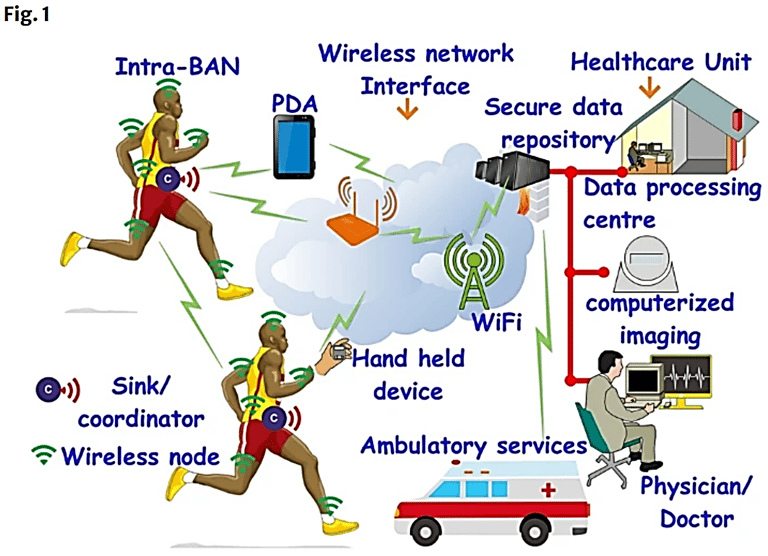
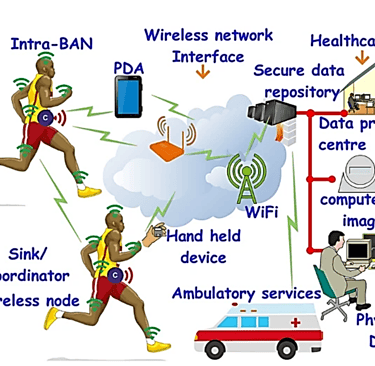
Performance issues in wireless body area networks for the healthcare application: a survey and future prospects
https://link.springer.com/article/10.1007/s42452-020-04058-2?fromPaywallRec=true
WBAN communication model should be appropriate to the propagation model and communication scenario considering point to point link and environmental viability. WBAN propagation methods include:
(i) Narrowband (NB) communications it uses low carrier frequency and suffers less from the signal attenuation by the human body. However, NB suffers more from signal interference in dense networks.
(ii) Ultra-wideband (UWB) communication supports higher data rates and is suitable for low power consumption.
(iii) Human body communication (HBC) In this method, signal communication is performed through electric field coupling, where transmission is over a medium of human skin by electrodes using capacitive or galvanic coupling without antennas.
Nano-Enriched Self-Powered Wireless Body Area Network for Sustainable Health Monitoring Services
https://pmc.ncbi.nlm.nih.gov/articles/PMC10006880/
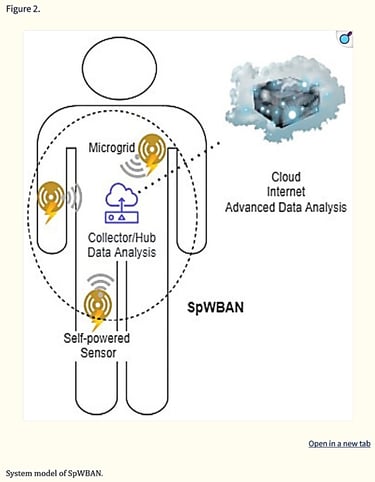
In each WBAN (i.e., the first management level), there is a collecting device that performs a local analysis and makes decisions before forwarding the data/power readings to powerful units and stations at the SDN-based management level (i.e., the second management level). The SDN-based management depends on a set of devices or controllers that run machine learning models to perform data analysis and to support decisions taken by the SDN controllers.
In this work, we discuss the mathematical model of SpWBAN that employs an energy harvesting-based MAC protocol with one management level that can generate decisions related to the allocation of health monitoring services. There is also the capability for the management level to forward readings and findings to an Internet cloud, i.e., an advanced management level, for further data analysis and processing.
Cloud Server Based Intelligent Health Care Kit using Body Sensor Network
https://ieeexplore.ieee.org/document/10391445
Abstract:
In this study, the model investigates designing and deploying a Body Sensor Network (BSN)-based intelligent healthcare kit hosted on a cloud server. This study aims to determine whether and how well this technology can track and manage people's health. The study focuses on developing and implementing wearable sensors for continuously monitoring vital signs such as heart rate, blood pressure, temperature, and oxygen saturation. The data is sent wirelessly to a gateway device or central hub, which may be processed locally or analyzed in the cloud using sophisticated algorithms and machine learning methods. The cloud server is crucial for tracking users' vitals, spotting outliers, and alerting users and medical staff in real time. Based on an individual's health data, the system offers suggestions for changing one's lifestyle, taking medications as prescribed and engaging in physical activity. The cloud server ensures the privacy and security of stored data and complies with applicable data protection laws. In addition, methods are investigated for integrating the intelligent healthcare kit with preexisting healthcare systems and electronic health records to support the smooth exchange of data and the provision of all-encompassing medical treatment. This work aims to promote healthcare technology and patient care by conducting empirical research and assessing a cloud server-based intelligent healthcare kit employing a body sensor network.
Satellites
The primary payload for USSF-12, SSC’s GEO WFOV Testbed, is an Overhead Persistent Infrared (OPIR) demonstration in geosynchronous orbit aimed to mature and prove the effectiveness of emerging space sensing technology in addressing emerging threats from near-peer adversaries. This testbed is a critical technology component of the Missile Warning, Tracking, and Defense (MW/MT/MD) architecture in which SSC is partnering with the Space Development Agency (SDA) and the Missile Defense Agency (MDA) to rapidly deliver an integrated system of satellites.
“Our GEO WFOV Testbed can simultaneously perform strategic missions, such as missile warning and battlespace awareness, as well as tactical missions directly supporting the warfighter, by continuously monitoring up to one-third of the Earth's surface with just a single sensor,” said Col. Heather Bogstie, senior materiel leader for Resilient Missile Warning, Tracking, and Defense in SSC’s Acquisition Delta. “WFOV is also pathfinding the process to operationalize OPIR data and obtain Integrated Tactical Warning/Attack Assessment (ITW/AA) certification for upcoming Resilient MW/MT/MD missions.”
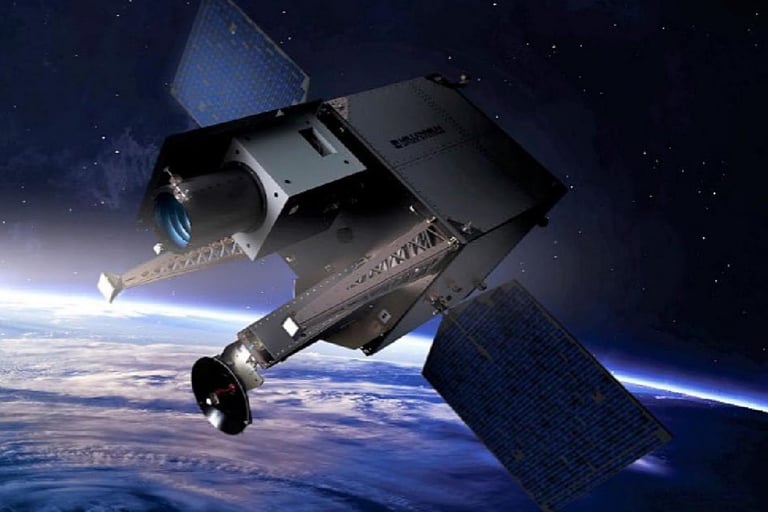
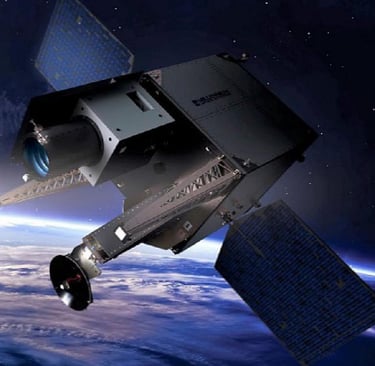
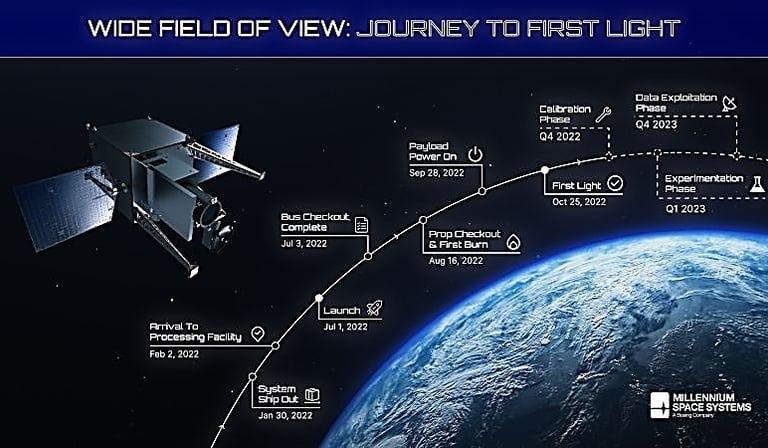
Space Systems Command's (SSC) Wide Field of View (WFOV) Testbed is a mid-sized geosynchronous satellite launched by the U.S. Space Force in 2022, designed to scout for future missile warning systems by continuously monitoring large areas of Earth with advanced infrared sensors to detect missile launches, providing crucial data for next-generation Overhead Persistent Infrared (OPIR) missions. Manufactured by Millennium Space Systems (a Boeing company) with an L3Harris sensor, it uses a large 4Kx4K focal plane to see over 3,000 km at once, bridging current capabilities with future missile tracking and defense needs. 3,000 miles is a substantial distance, essentially the entire width of the country plus a little extra!.
Key Functions & Technology:
Missile Warning: Detects ballistic missile launches by sensing the heat from their engines.
Wide Area Coverage: Scans vast swaths of the Earth (over 3,000 km wide) simultaneously.
Staring Sensor: Uses a powerful infrared sensor with a 4K by 4K focal plane.
Risk Reduction: Tests new technologies and concepts for the Next Generation OPIR (NG-OPIR) program.
Mission & Significance:
Testbed for Future Systems: Provides critical data and operational experience for future missile defense architectures.
Strategic & Tactical: Can perform strategic surveillance while also focusing on tactical threats, informing future integrated systems.
Launch & Operations:
Launch: Aboard the United Launch Alliance Atlas V rocket as part of the USSF-12 mission in July 2022.
Management: Sponsored by SSC and managed by NASA's Ames Research Center.
Status: Achieved "First Light" in late 2022, entering calibration and operations.
What is a geosynchronous satellite?
A geosynchronous satellite orbits Earth at about 36,000 km (22,236 miles) altitude, with an orbital period matching Earth's rotation (one sidereal day), so it stays above the same general area. While it appears stationary from Earth (especially if directly over the equator in a geostationary orbit), other geosynchronous satellites might trace a figure-8 path daily. They're crucial for continuous communication, broadcasting, and weather monitoring because they offer constant coverage over specific regions.
This could provide the heat that sustains the heat of the fires, but the ultra-hot fires was being done before this satellite was launched. They could have used another method before this satellite went up. There is a lot of payload not accounted for in the descriptive literature. They are not going to tell you how they sustain the fires, one method is used to start the fires and another method is used to sustain the heat, depending on what part of the fire scenario it is. An infrared beam laser could be blue depending on the medium, but usually is invisible and this is loaded with infrared technology.

Wide Field of View Satellite (WFOV) – Inside the U.S. Space Force Newest GEO Satellite
An experimental system enabling WBAN data delivery via satellite communication links
https://ieeexplore.ieee.org/document/4726076
Abstract:
We describe an experimental system that combines a wireless body area network (WBAN) with satellite communication links to enable remote medical treatment and healthcare services. One main advantage of WBAN is that it enables automatic biosignal collection in real time which is essential in medical treatment and healthcare vigilance. The WBAN is implemented using ultra-wideband technology. Multi-hop mechanism is adopted to guarantee reliable connection. In case of less of medical resources such as in emergency, in rural or isolated areas, the system can send the corresponding biosignal to a remote hospital in real time to help patient management by introducing satellite communication links. In this paper, the whole experimental system is illustrated. Some basic experiments are carried out. It is confirmed that the multi-hop mechanism of WBAN works well and the relative delay of WBAN data delivery via satellite links is dependent on the satellite link capacity.
Wireless Body Area Network Combined with Satellite Communication for Remote Medical and Healthcare Applications
https://link.springer.com/article/10.1007/s11277-009-9765-5
Wireless Body Area Network (WBAN) is expected to play an important role in supporting medical and healthcare services with increased convenience and comfort. One main advantage of WBAN is that it enables automatic biosignal collection in real time which is essential in medical treatment and healthcare vigilance. To harmonize with the strong demands from both medical and healthcare societies, and information and communications technology industries, IEEE 802 Standard Committee set up a task group of TG15.6 to develop an IEEE wireless standard on WBAN. In this paper, we first review the main activities of TG15.6 with the updated status. Then, we present a prototype WBAN system that is implemented by using ultra-wideband technology. Multi-hop mechanism is adopted to guarantee reliable connection. Finally, we describe an experimental system that uses the developed WBAN system by combining with satellite communication in supporting remote medical treatment and healthcare. In case of less of medical resources such as in emergency, in rural or isolated areas, such a system is important in sending the corresponding biosignal to a remote hospital in real time to help patient management. The relative delay of WBAN data delivery via satellite is measured which is dependent on the satellite link capacity.
Join us in advocating against the misuse of technology.
contact@targetedhumans.org
© 2025. All rights reserved.


Targeted Humans Inc.