There are no Conspiracy theories, there are only truth and lies.
Maui Smart City per Agenda 21, 30, 50
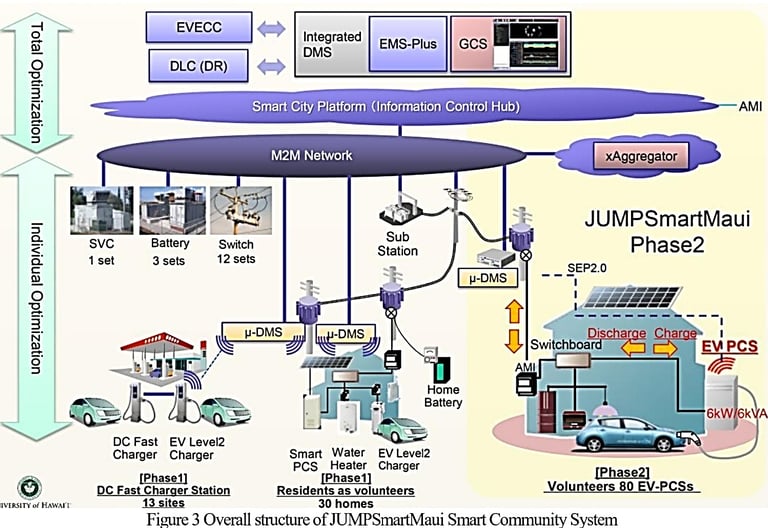
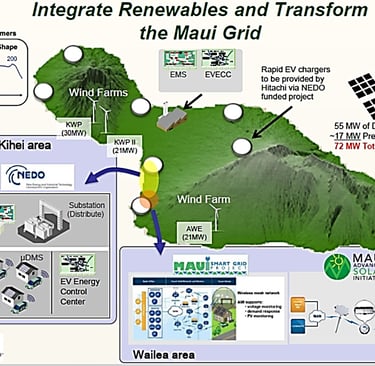
Overall structure of JUMPSmartMaui Smart Community System
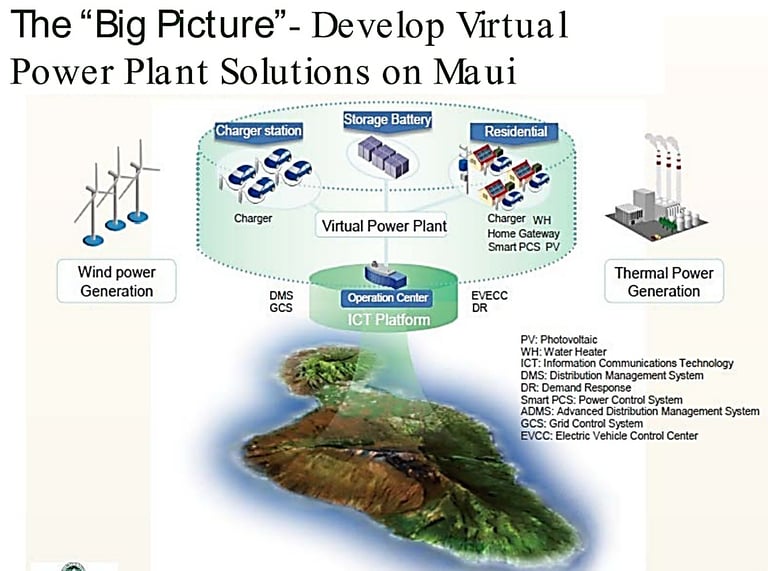
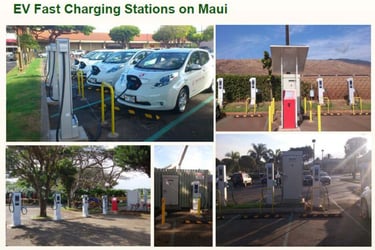
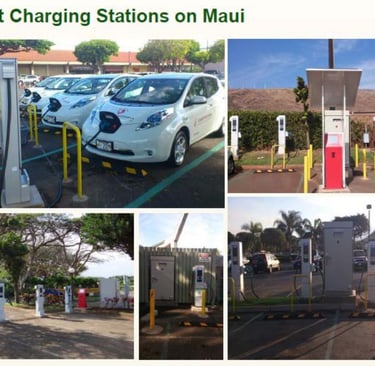
The Japan–Maui smart city initiative was JUMPSmartMaui, a U.S.–Japan government-backed demonstration project that ran from 2011 to early 2017 to test smart grid and electric-vehicle integration on Maui’s island power system. Funded by Japan’s NEDO and involving partners such as Hitachi, Nissan, Hawaiian Electric, and the State of Hawaii, the project deployed EV chargers, battery storage, and grid-control systems to manage renewable energy, especially solar power. It studied how EVs and distributed energy resources could be coordinated to balance supply and demand, effectively acting as a “virtual power plant.” The project ended successfully in 2017, leaving behind charging infrastructure and operational lessons that informed Hawaii’s and Japan’s future clean-energy and smart-grid strategies.


The Hawaii International Conference on System Sciences (HICSS) 2023, also known as HICSS-56, was the 56th annual event held January 3-6 in Maui, Hawaii, bringing together global scholars to present cutting-edge research in information systems, technology, and computer sciences across various tracks like Digital Government, Health IT, and AI, fostering interaction between academia and industry on topics from cybersecurity to digital transformation. It's a prestigious, long-standing conference sponsored by the University of Hawaii. Key Aspects of HICSS 2023:
Focus: Research presentations and discussions on information, computer, and system sciences.
Dates: January 3-6, 2023.
Location: Maui, Hawaii (Hyatt Regency Resort).
Tracks: Included Digital Government, Health IT, Internet & Digital Economy, Organizational Systems, Software Technology, and more, with a special focus on pandemic impacts and AI.
Format: Featured paper presentations, workshops, symposia, and tutorials, with a strong emphasis on peer-reviewed research.
Significance: A highly interactive forum for top researchers from over 40 countries.
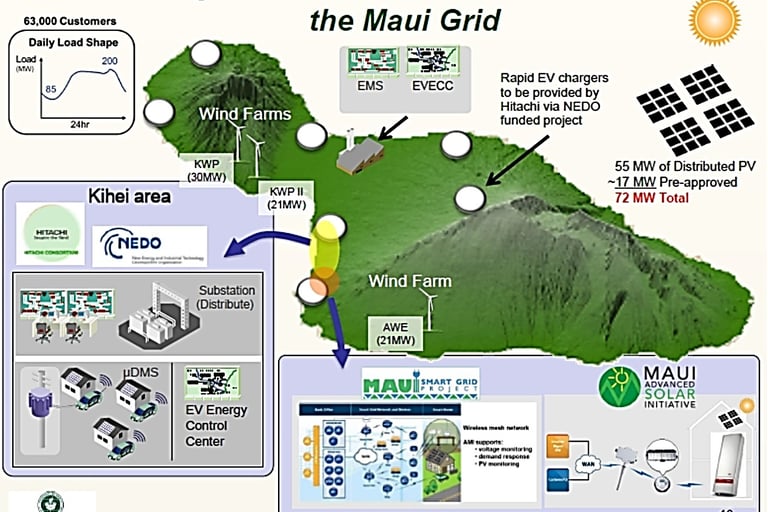
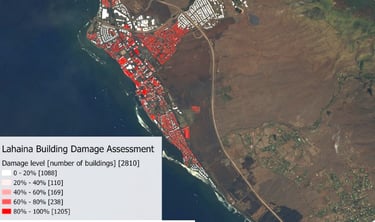
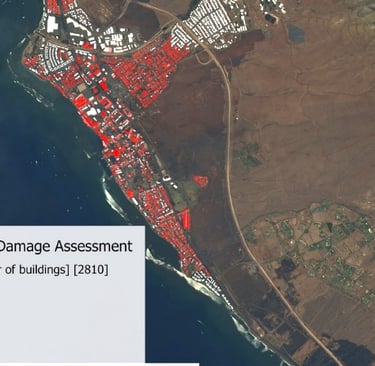
Location intelligence (LI), also known as spatial intelligence, is the process of deriving meaningful insights from geospatial data by visualizing, analyzing, and layering location-based information. It involves integrating geographic data (like coordinates, maps, and spatial relationships) with other datasets—such as demographics, traffic patterns, economics, weather, or consumer behavior—to reveal patterns, trends, and relationships that inform decision-making.
Powered primarily by geographic information systems (GIS) technology, LI transforms raw data into interactive maps, dashboards, heat maps, and visualizations. This adds spatial context to business intelligence, helping answer questions like "where?" "why here?" and "what if?"
Island energy transition: Assessing Hawaii's multi-level, policy-driven approach
•Climate change and over-dependency on fossil fuels catalyze island energy transitions.
•Transition requires renewable energy, a smart grid, storage, and governance.
•Niche-level socio-technical innovation dominates island energy transition.
https://www.sciencedirect.com/science/article/abs/pii/S1364032119307087
What did the citizens of Lahaina think of this plan for their city?
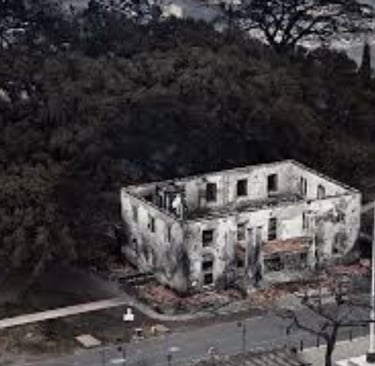
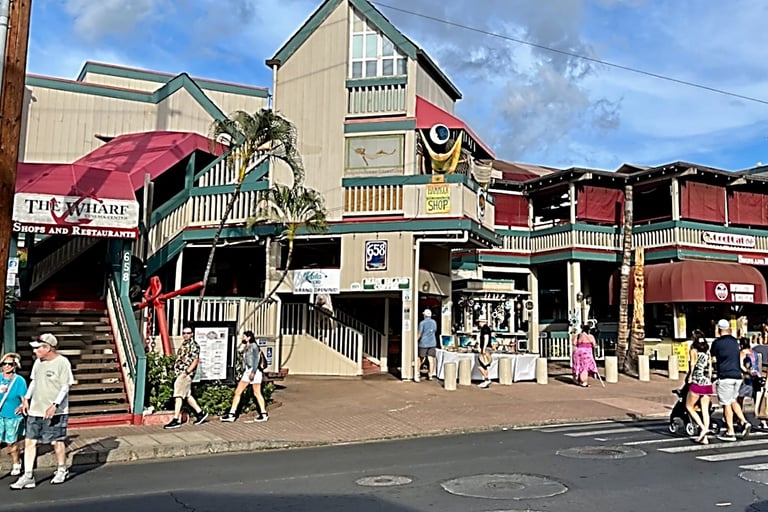
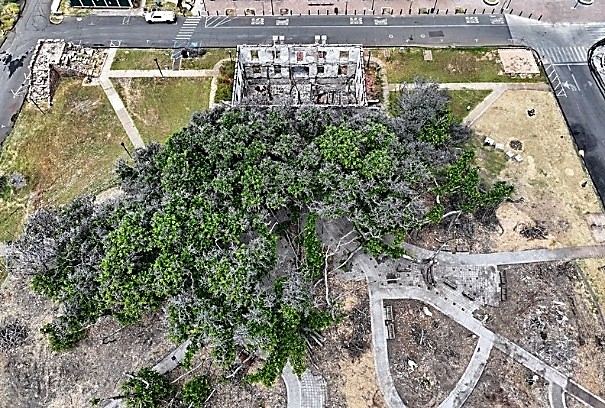
Native residents and locals in Lahaina held deep anxieties about land grabs and development before the fires, and rumors of a "smart city" after the fires suggested wealthy outsiders intentionally caused destruction for high-tech development, though officials denied this, pointing to historical distrust and misinformation fueled by social media, not official plans for a "smart city" itself. Lahaina had been chosen as the perfect place to demonstrate a smart city.
Key Perspectives & Concerns:
Anxiety over Development: Longtime residents were already anxious about real estate development, rising costs of living, and the influx of affluent outsiders pricing local families out of the housing market.
Colonial History and Mistrust: There is a deep history of the U.S. forcibly colonizing Hawaii and land being taken from Native Hawaiians, leading to inherent mistrust of government and developers.
Water Rights Battles: Native Hawaiians have been waging legal battles for decades to reclaim their water rights from large agricultural interests, who diverted streams that sustained traditional farming practices.
Fear of Displacement: The existing economic pressures and history of displacement meant that even before the fires, many native families were leaving the island. The fear that the fire's aftermath would accelerate this "mass exodus" was a major concern.
Opposition to Past Projects: In the past (e.g., 15 years ago in Olowalu), locals successfully pushed local government to block certain large-scale developments, demonstrating a history of community activism against projects they felt were not in their best interest.
The post-fire "smart city" rumors simply became a focal point for these legitimate, pre-existing fears about powerful interests using the disaster to further displace the local community and seize control of the land. Native inhabitants were wary of development. Their real concern was preserving land and culture from outside interests.
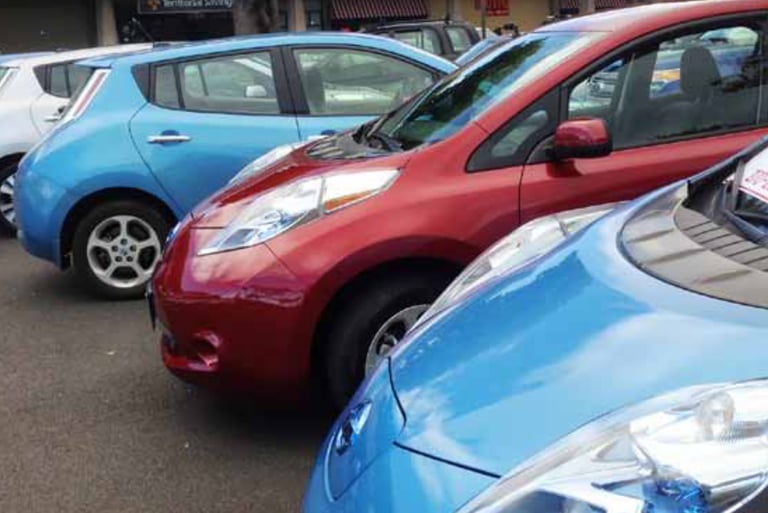
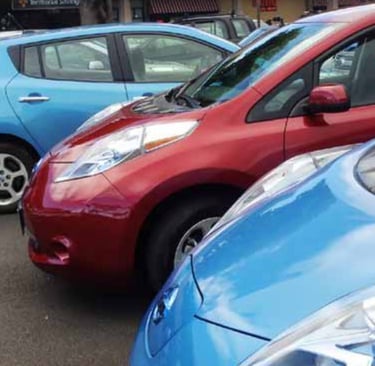


The New Smart Grid in Hawaii: JUMPSmartMaui Project - Hitachi

Join us in advocating against the misuse of technology.
contact@targetedhumans.org
© 2025. All rights reserved.


Targeted Humans Inc.